


For anyone new here, I’m the founder of Woo Punch, a brand design studio rooted in marketing science.
I help brands ideate and design radically distinctive names, logos, mascots, and other core brand assets.
A duck quacking an insurance company’s name. A gecko complaining about being confused with a brand name. A deer leaping across tractors. An apple stamped on computers.
These are examples of what I call Category-Defiant Distinctiveness (CDD)—names and assets deliberately built to defy category conventions while remaining unmistakably tied to their brands.
In my companion piece, Where Meaning-Free Distinctiveness Jumped the Shark, I argued that the Ehrenberg-Bass Institute (EBI) gave us the right measurement tool but the wrong creative brief. Their concept of “meaning-free distinctiveness”—where brand assets should be blank slates that point only to the brand—works brilliantly as a diagnostic. It tells you how well your assets are recognized, even outside of a category context. But it falls short as design guidance.
Every shape, word, color, object, and animal arrives loaded with associations—there's no such thing as a “blank slate” in naming or design. In fact, the most memorable identities don't avoid meaning; they borrow meaning from unexpected places.
This guide is a practical framework for creating Category-Defiant names and assets that defy category norms in a way that doesn’t isolate or confuse category buyers.
I’ll cover:
The primary categories of CDD assets and their strategic applications—ranging from brand names like Apple, to name-based icons like the Aflac Duck, and tactical message vehicles like Geico’s Caveman.
How to test and validate before and after launch—the specific checks that help you prime for distinctiveness during the conception of a name and/or asset and validate distinctiveness post-launch.
If you want the conceptual foundation—why EBI’s measurement tool shouldn’t be treated as design guidance, or why meaning isn’t the enemy but category meaning is—read my companion piece, Where Meaning-Free Distinctiveness Jumped the Shark.
In this article, we’ll move beyond theory and into practical frameworks.
Choosing Your Asset Type
CDD names and assets can take many forms. What matters most is breaking category norms while staying unmistakably tied to your brand within its category. Total out-of-context recognition—the kind where your logo gets spotted on a car window with zero context like an Apple sticker—is the pipe dream. Worth aiming for, but easy to chase at the expense of great, fame-driven ideas that work brilliantly within your category.
The following are the most common Category-Defiant asset types. Each has specific use cases, strengths, and limitations. This is not an exhaustive list.
Type 1: Name-Based Assets
Definition
Assets that draw directly from the brand’s name or a clever phonetic link.
How they work
The asset is Category-Defiant (a duck for insurance), but the link to the name is logical enough to reinforce recall. Distinctiveness comes from the mismatch with category; memorability comes from the name-asset connection.
When to use them
When your brand’s name is already Category-Defiant or abstract enough to support a non-intuitive visual or character for your category.
Advantages
They build name recall and asset recognition simultaneously. When the Aflac Duck quacks “AFLAC,” it’s reinforcing both the mascot and the brand’s name at once. Name-based character or spokesperson assets also often work across channels. The Aflac Duck’s distinctive voice, for example, works well on radio or podcasts where the duck can’t be seen.
Limitations
Name-Based Assets only work if the name itself is distinctive. Most generic names like “Quality Insurance” can’t spawn a memorable name-based asset.
Examples:
The Aflac Duck: The Aflac Duck debuted on New Years Eve during Y2K. The duck appears in campaigns at the moment of confusion, precisely when people struggle to recall their insurance provider’s name. The phonetic link (Aflac ≈ quack) makes the name easier to remember while the duck—absurd for insurance—makes it distinctive.
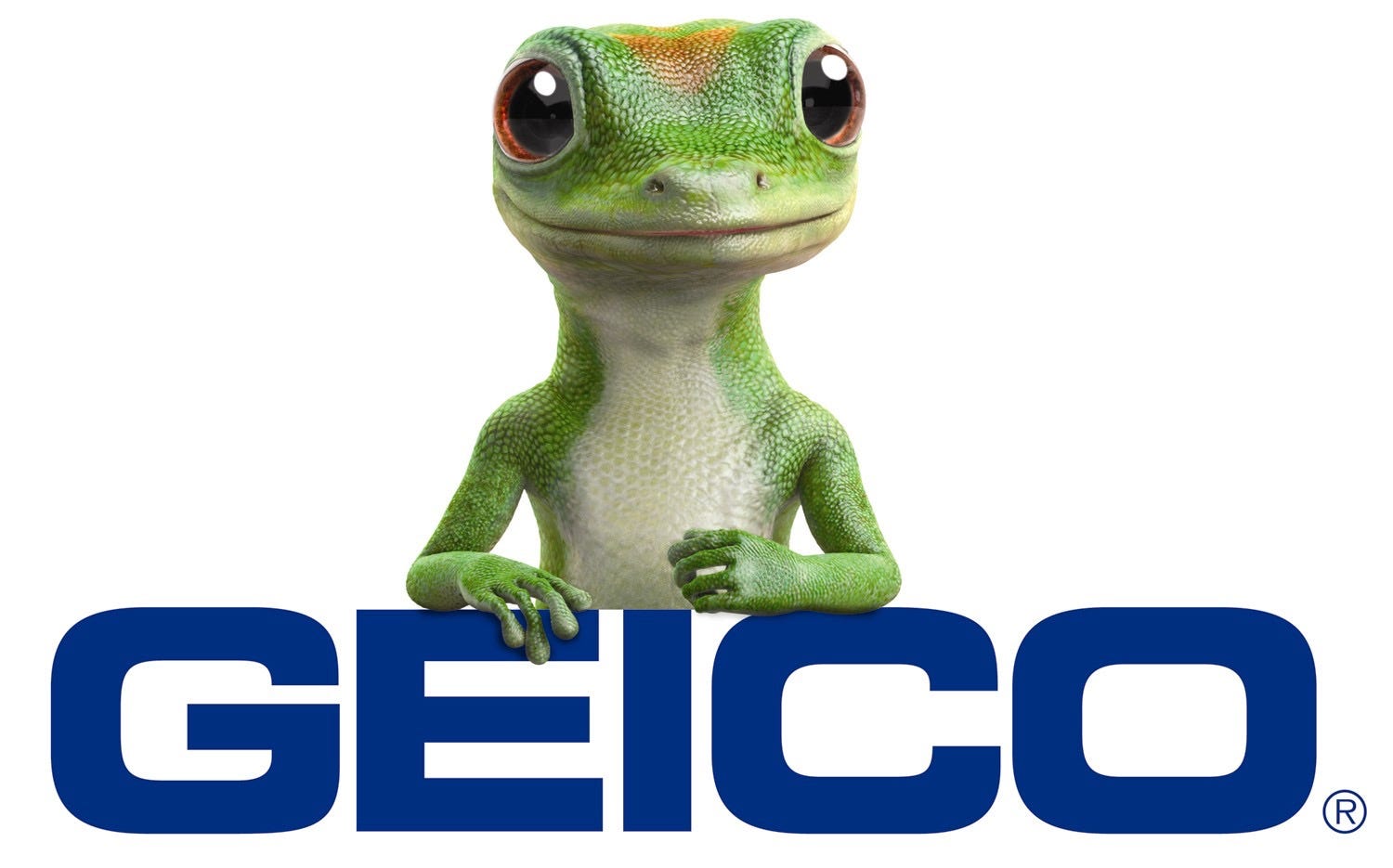
The Geico Gecko: The gecko also debuted in the late ‘90s, immediately complaining that callers were confusing him with the company, Geico, and kept calling him instead.
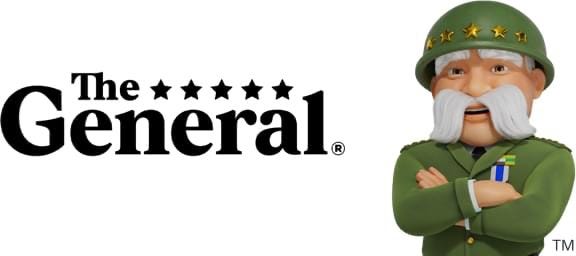
The General mascot is a notable exception. The brand took a common, generic word—”general”—which traditionally was the industry-standard term for broad coverage (home, auto, casualty), and gave it a distinct visual identity through a uniformed general character. The General cleverly flipped an existing industry term into an ownable brand icon.
Type 2: Character/Identity Assets
Definition
Assets rooted in a concept other than the brand’s literal name, but not exclusively tied to a specific message or positioning. This is the most common form of a Category-Defiant asset.
How they work
Distinctiveness is achieved through Category-Defiant execution (a crocodile for apparel, a cow for glue) combined with a strong, consistent branding system. The visual consistency—color, styling, placement—ensures recognition even when the message changes.
When to use them
When you need a flexible, adaptable asset that can support multiple campaigns, products, or messages over time.
Advantages
High adaptability. These assets can carry different messages without losing their connection to the brand because the visual consistency is what does the work.
Limitations
Brand attribution might not be as immediate as name-based assets, especially at launch. They require more repetition to cement the brand connection. Brands can get around this by referencing the brand’s name in some other way whenever the asset is present.
Examples:
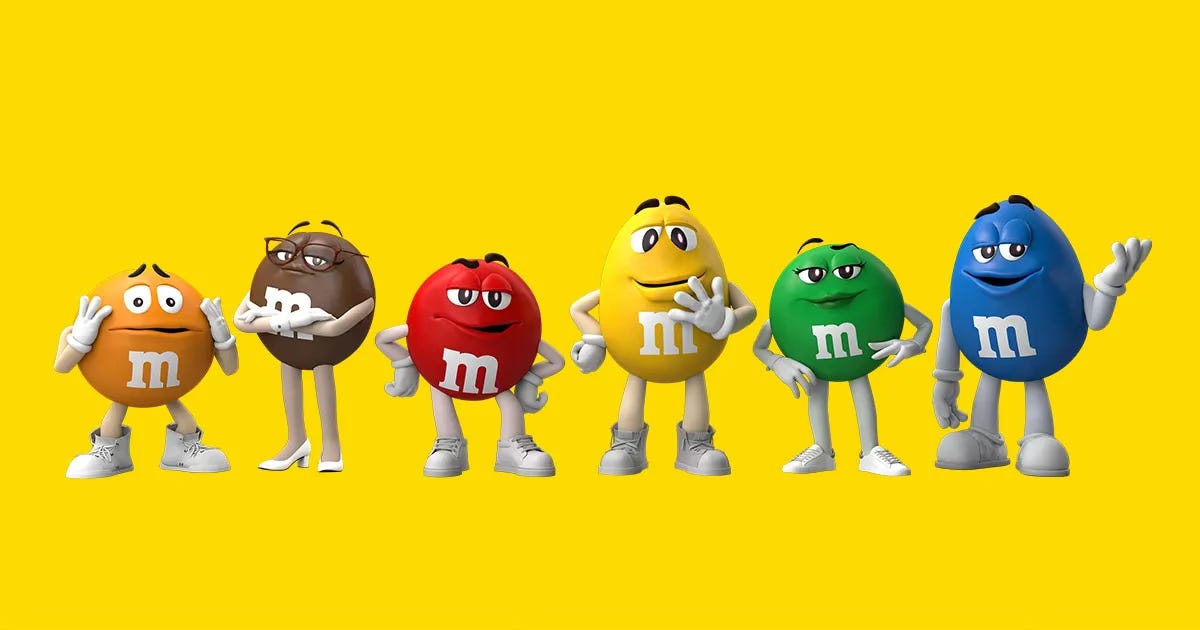
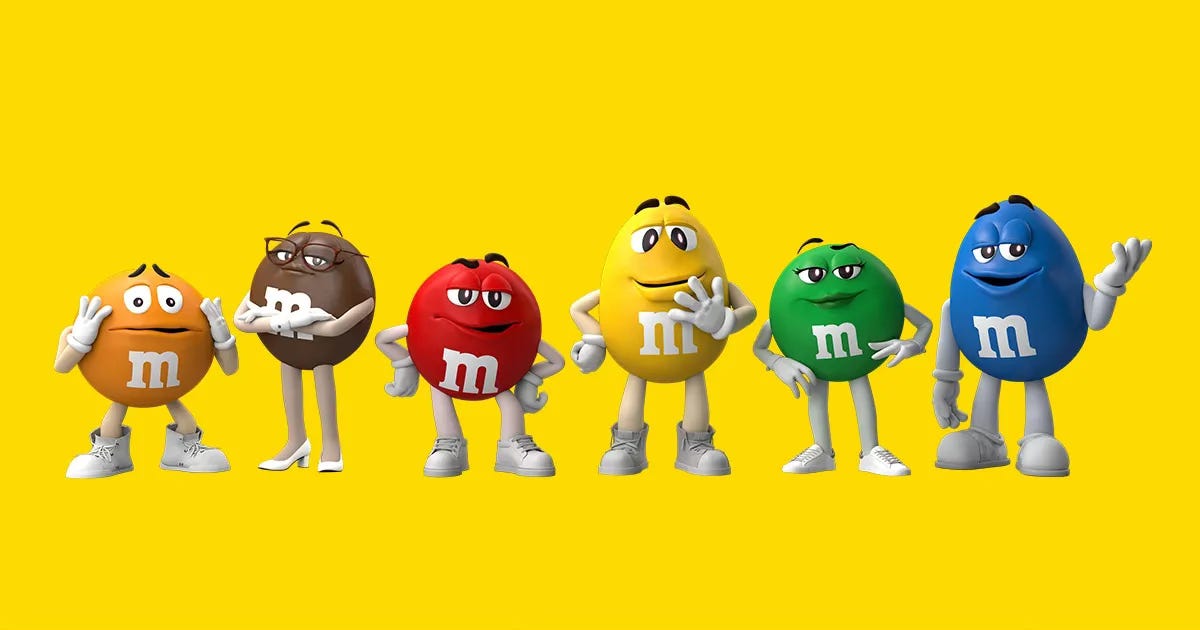
M&M’s: The most common form of a Character/Identity Asset is the traditional brand mascot. Tony the Tiger, Chester Cheetah, and the Pilsbury Doughboy are all instantly tied to their respective brands and adaptable to various messages. The M&M’s characters are a great example of versatility. During the Christmas season, M&M’s has run the exact same ad for decades to remind buyers that M&M’s makes great stocking stuffers, even without explicitly saying it. They are also employed during Halloween, tied to watching football, and promote new flavors (even when characters representing their traditional flavors are used to do it).
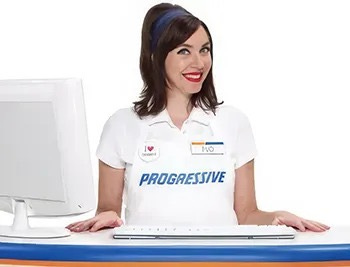
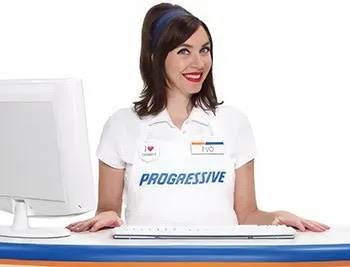
Flo from Progressive: Originally created to promote Progressive’s “neighborhood friendly service,” Flo has since appeared in over a thousand commercials and conveyed a wide range of differentiators and Category Entry Points. The archetype (friendly service) does connote an individual differentiator, but the visual consistency—her signature grocery store clerk look, the bubbly personality—is what makes her adaptable to different messages.
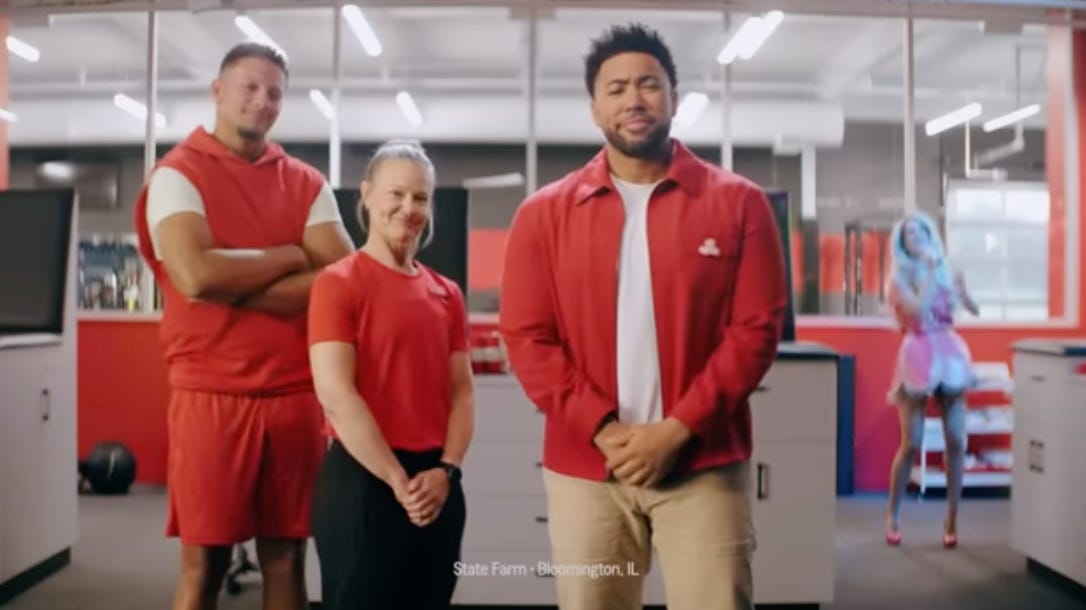
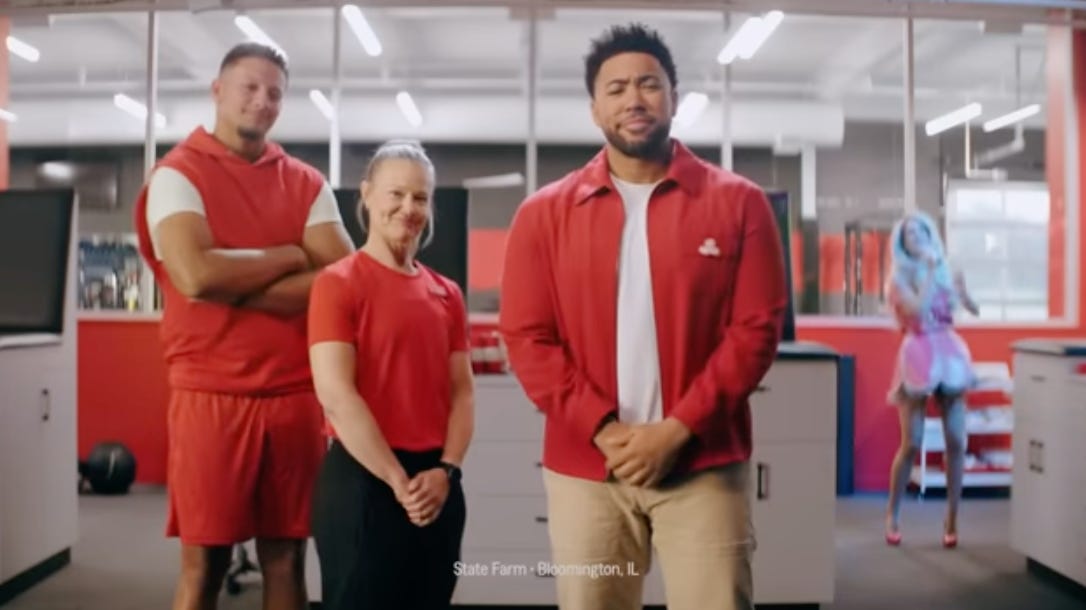
Jake from State Farm: Originally played by an actual State Farm agent, the campaign’s success led the company to cast Kevin Miles as the official spokesperson. Every ad reinforces the brand through rigorous visual and sonic consistency: Jake is always referred to as “Jake from State Farm,” dressed in red, surrounded by red-heavy design, and paired with a spoken variation of the classic 1980s jingle, “Like a good neighbor, State Farm is there” at the end of every ad. This intense, consistent reinforcement has made “Jake from State Farm” such a recognizable internal brand asset that it even allows the company to leverage celebrity star power without sacrificing brand recognition. State Farm now has the luxury of pairing Jake with A-listers like Patrick Mahomes, Drake, Arnold Schwarzenegger, and Jason Bateman while maintaining undiluted brand recall. Most brands incorporate celebrities into their advertising at the expense of recognition.
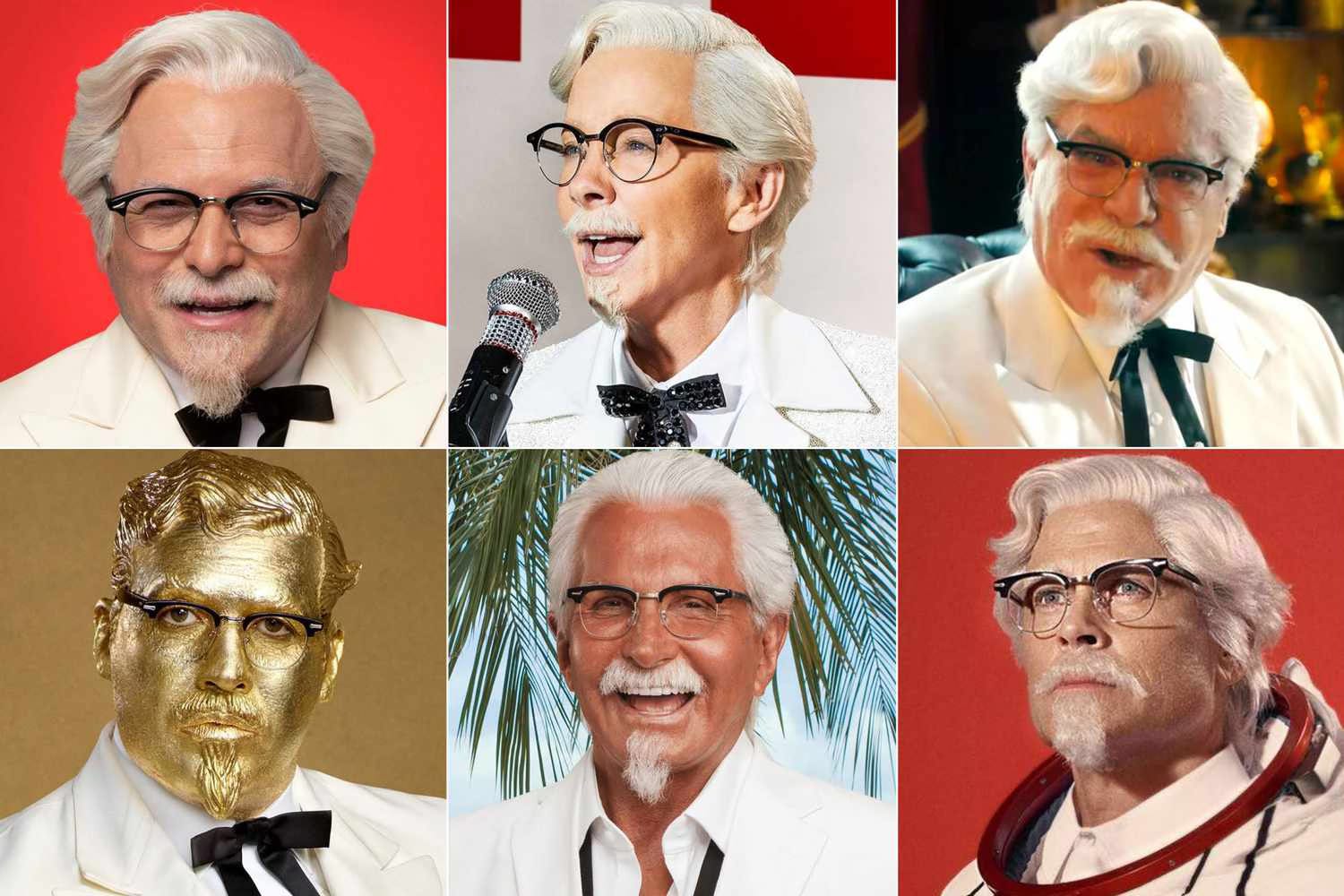
Colonel Sanders: Colonel Sanders didn't just found KFC—he actively transformed himself into its mascot while still alive. By appearing in advertisements and wearing his signature white suit and string tie everywhere, public and private, he erased the line between person and brand. After his death, KFC completed the transformation: first animating him in the 1990s, then cycling celebrities through his character. Similar to “Jake from State Farm,” KFC has seamlessly incorporated celebrities without losing brand recognition.
Type 3: Message Vehicles
Definition
CDD assets designed to carry a single, explicit message, differentiator, or category entry point, but through a Category-Defiant vehicle.
How they work
Message vehicles operate on a two-step principle: select for distinctiveness first, then anchor to your message. The vehicle itself should be Category-Defiant—something that makes no intuitive sense in your industry. The message it carries can be category-natural. This tension is what creates memorability.
When to use them
When you need to reinforce a strong message and you have the advertising budget to familiarize consumers with more than one brand asset.
Advantages
They drive home specific positioning with memorable shorthand. A weird asset vehicle makes a complex or generic message instantly understandable and hard to forget.
Limitations
Restricted to one message. If your positioning shifts, the asset loses relevance. If you need to emphasize a different message, you will need a different asset.
Must be paired with more adaptable assets (logo, color, characters, sonic branding) to maintain brand linkage across campaigns.
High risk of becoming category-natural if the vehicle isn’t defiant enough.
Larger budgets usually required to make them stick. Brands with restricted budgets should lean into adaptable assets before they’re able to create additional ones for more targeted messages.
Examples:
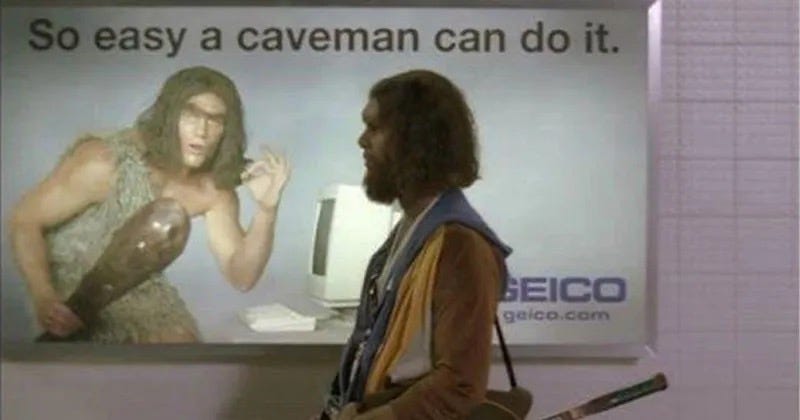
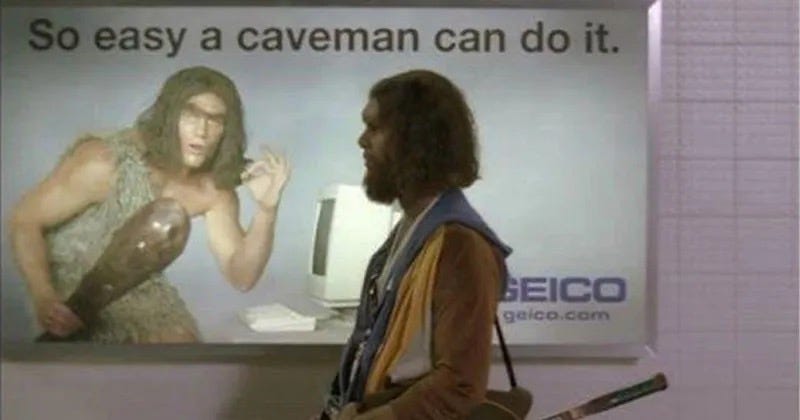
Geico Caveman (”easy to use”): A sophisticated caveman offended by the slogan, “So easy a caveman can do it,” showing how simple it is to switch to Geico. The caveman is the Category-Defiant vehicle; the message is straightforward. For over 25 years, Geico has used the same distinctive voice actor across its campaigns, building a rock-solid, adaptable, and instantly recognizable brand identity, even as they deploy new message vehicles.
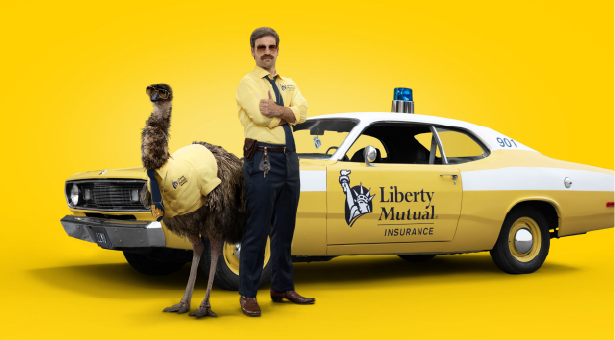
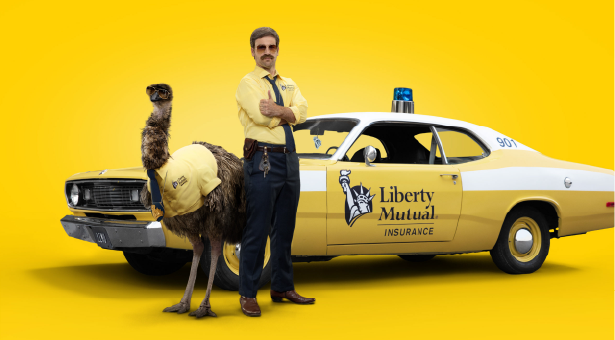
Limu Emu & Doug (savings): One of a dozen random spokescharacter ideas from Goodby Silverstein & Partners, chosen because they tested well. Before landing on a detective and his bird sidekick, Liberty Mutual toyed with a misunderstood T-Rex and a pigeon in yellow pants. The ads show the duo “fighting crime”—i.e., helping people avoid overpaying for car insurance. Pure Category-Defiant chaos with a category-relevant message grafted onto it.
Note: The absurdist humor of the duo does distract from the message. Not everyone picks up on what Liberty Mutual is trying to say. This isn’t necessarily a bad thing, as it might even give the duo more flexibility down the road. The Limu Emu is also technically a name-based asset given it’s a short-hand for Liberty Mutual, but even I frequently forget that and the campaigns don’t revolve around the name like Geico and Aflac.
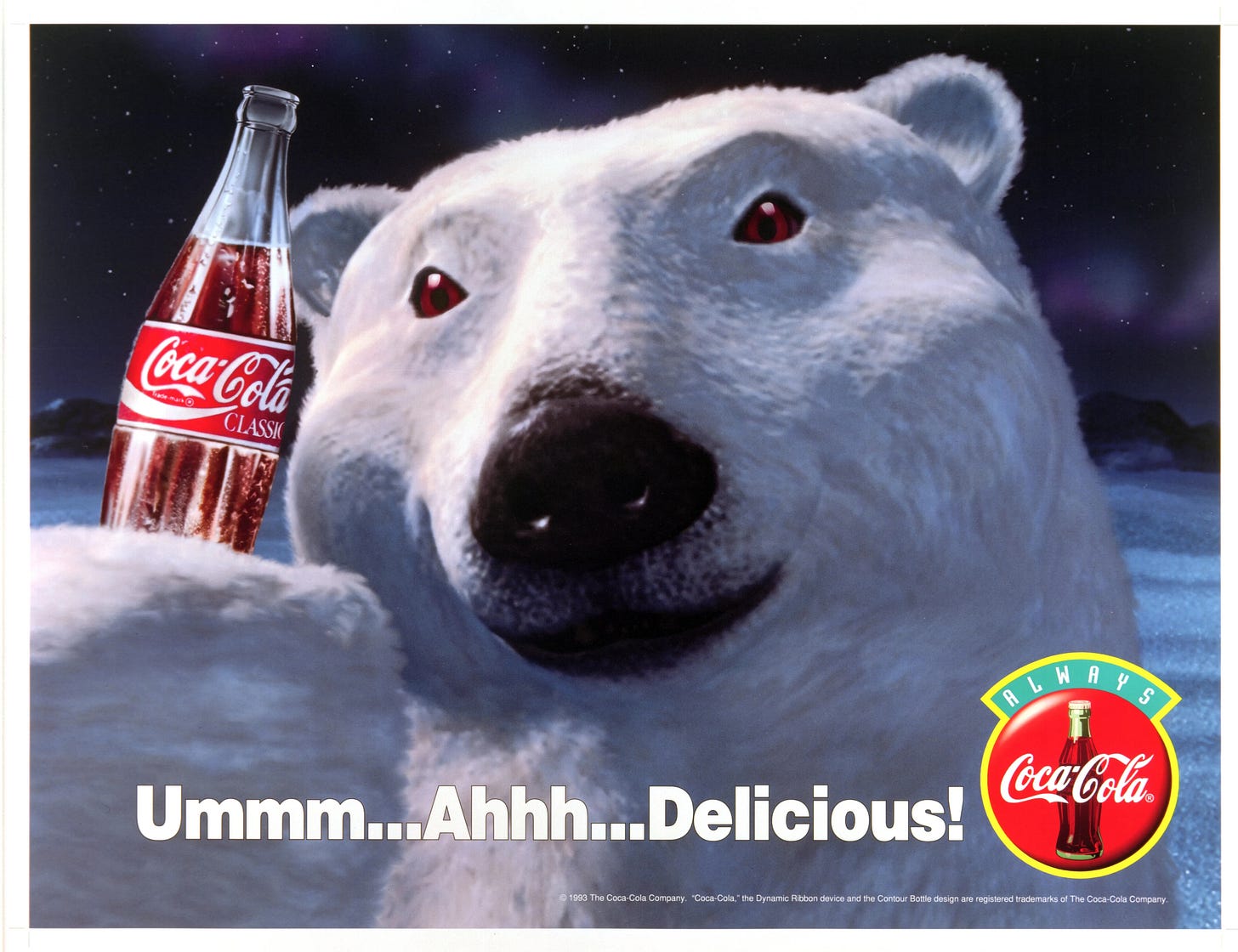
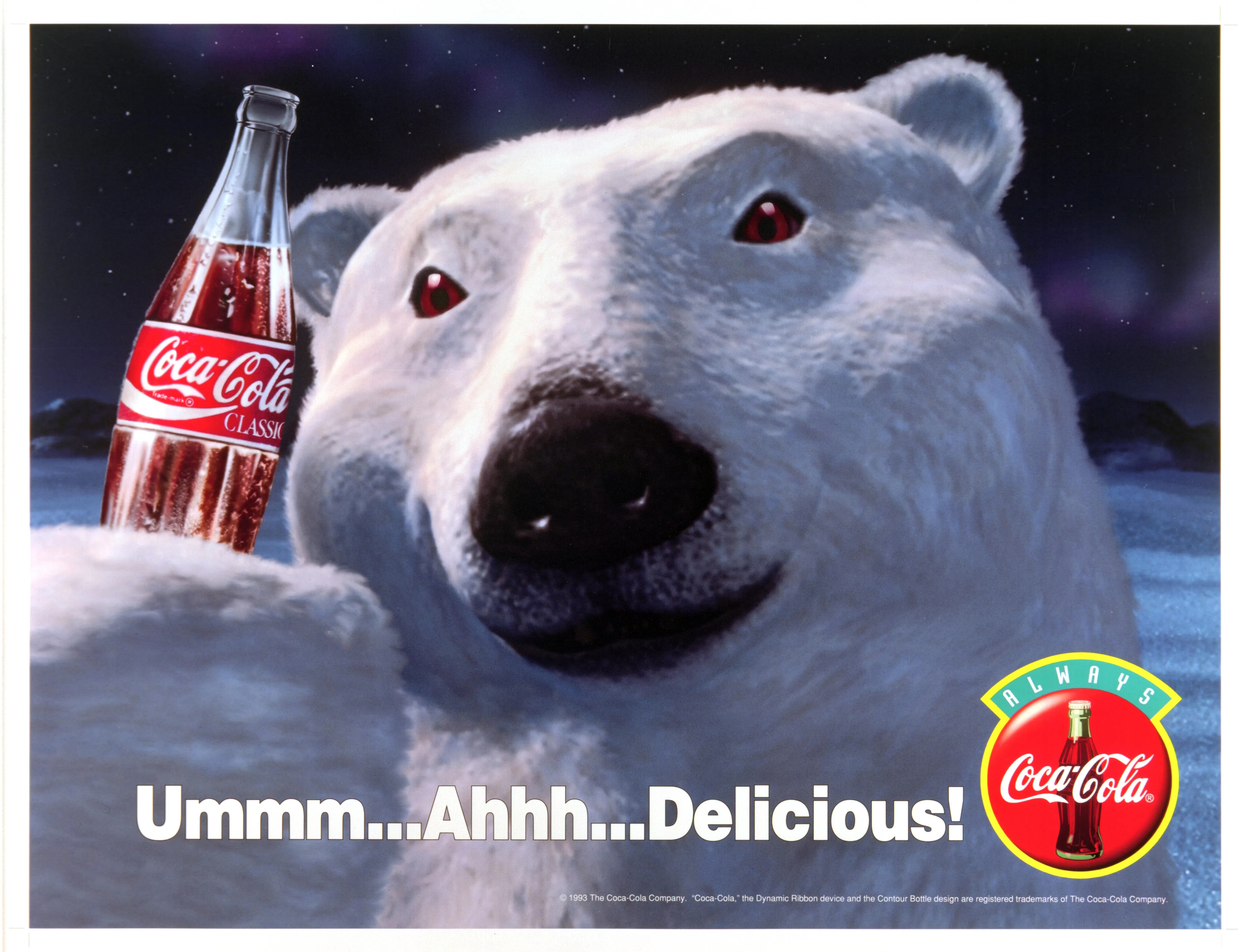
Coca-Cola Polar Bears: First introduced in 1922 to personify "cold refreshment on a hot day," the bears were famously revived in the 1990s to anchor the brand specifically to the winter holidays. Because they are used almost exclusively to drive consumption during the winter, they currently function as a message vehicle rather than a general character/identity asset. This represents an untapped opportunity, as the polar bears could easily extend beyond winter-specific messaging. Crucially, the polar bears are never isolated from Coca-Cola’s stronger assets. They are always playing with or holding Coca-Cola’s most recognized and distinctive asset, its iconic classic bottle shape.
A word of caution:
Message Vehicles need strong branding, or they become someone else’s ads. When I’ve asked people to match Allstate’s Mayhem or Professor Rick from Progressive with their brands, most can’t—despite remembering and even enjoying their ads.
These campaigns are weaker for two reasons. First, the Message Vehicles aren’t reinforced strongly enough with their core brand assets (like Allstate’s Dennis Haysbert or Progressive’s Flo). Contrast those examples with more cohesive brand pairings: Geico’s Caveman and narrator; Coca-Cola’s Polar Bears and the signature contour bottle; and Liberty Mutual’s Limu Emu & Doug duo, integrated with the branded vehicle and mnemonic jingle.
Second, Mayhem and Professor Rick are category-natural. Clever execution, but the vehicle itself embodies the message too directly. This choice might drive home the message, but sacrifices brand recognition in the process. If the audience doesn’t know who’s advertising, the message is useless.
In the end, Mayhem and Professor Rick win the laugh; Limu Emu wins brand recall.
Need a Category-Defiant Brand?
I help brands ideate and design radically distinctive names, logos, mascots, and other assets.
Naming Strategies for CDD
A brand’s name is obviously the most repeated brand element—on packaging, ads, search, receipts, and in conversations. While not always the first thing a consumer notices and recalls, a Category-Defiant name provides a foundation for other assets to build recognition over time.
Below are the main types* of Category-Defiant names.
*This is not an exhaustive list. Category-Defiant names can look to places, people, phrases, and other areas for inspiration. Some names can also live in between the types below with one foot in each type (for a more exhaustive and nuanced spectrum of all name types, check out Rob Meyerson’s article here).
Type 1: Familiar Objects
Definition
A familiar, everyday object with no intuitive tie to the category.
Advantages
Sparks instant mental imagery
Naturally seeds visual logos
Limitations
May need heavy Category Identifiers early on to avoid confusion
Can be locked by dominant brands if not significantly altered (a generic “target” logo → Target owns it)
Examples:
Apple (fruit → tech): Apples are rich with symbology, but an apple in tech was nonsense in 1976—which was why it worked. A common misconception is that Steve Jobs chose the name to tie it in with Isaac Newton, but that connection was made after the fact when designing their first logo. He simply liked how it sounded and that it came before Atari in the phone book.
Shell (seashell → fuel): A seashell for a gas station makes no immediate sense, defying logic (and inspiring strained post-rationalizations about “fossil fuels”).
Domino’s (tabletop game → pizza): A game piece for food. The phonetic ease and visual potential made it work.
Type 2: Animals
Definition
A living creature with no functional link to the product or service.
Advantages
High recall—human brains are wired to notice and remember animals
Easy to animate or personify
Often travels globally without translation issues
Limitations
Needs heavy Category Identifiers early on to avoid confusion
Can be locked by dominant brands (a generic puma logo → Puma owns it)
Examples:
John Deere (deer → tractors): Deer are highly symbolic, but a deer made no sense for heavy machinery when the brand launched. It wasn’t symbolic; it was simply distinctive and built-in given the founder’s name. Meaning was built around it later (i.e., “Runs like a Deere”).
Penguin Books (penguin → books): A penguin for publishing. No logical connection, high memorability. Orange accents strengthen the distinctiveness of an otherwise relatively generic penguin.
Camel (camel → cigarettes): An exotic animal for tobacco. The imagery was striking and ownable. Camel’s name was originally chosen to convey the brand’s use of Turkish tobacco. Today, that fact is relegated to pop trivia.
Important note on Objects and Animals:
When designing visual assets based on your visual name, always include a distinctive twist. The bite out of Apple’s apple logo, Shell’s yellow-and-red color scheme, Starbucks’ two-finned mermaid—all add layers of distinctiveness to an already Category-Defiant name. This allows for ease of recognition even outside the category.
Type 3: Abstract/Invented
Definition
A made-up or unfamiliar word
When to use
When you want maximum ownability from day one, no competing associations, and future-proof flexibility.
Advantages
Can be ownable at the start
Fewer competing associations to fight
Future-proof—less likely to box your positioning in as you grow
Limitations
Harder to spell or pronounce
No built-in imagery
Slower initial recall—requires more repetition
Examples:
Google: A misspelling of “googol” (10^100), chosen to suggest vast scale. A little-known fact among most consumers, and therefore Category-Defiant* in their minds.
Spotify: Invented blend suggesting “spot” and “identify.”
Zillow: The invented name “Zillow” was carefully designed to combine “zillions” (massive data) and “pillows” (comfort). Despite the extensive thought behind this conception, the name’s sophisticated origin and intended dual connotation are lost to consumers. The name could have just as easily been drawn out of a hat. It works because it’s distinctive, easy to spell, and easy to pronounce, not because it makes consumers think of pillows or data.
Roku: Japanese for “six,” chosen because it was the sixth product the founder created. But to most English speakers, it’s abstract—and therefore ownable.
*There is some debate over whether an asset qualifies as “random” if its origin was rooted in meaning—like Wendy’s being named after Dave Thomas’ daughter. In my view, if the backstory is unknown to the average consumer, the asset is functionally random in a market context. While brand scaling often brings these origin stories to light, it doesn’t retroactively inject meaning into what would have come across as unnatural to consumers early on (and in most cases unnatural to consumers today).
This creates a strategic bridge for designers: by using personally significant meaning to the client to generate an asset that feels visually random (or Category-Defiant) to the consumer, you satisfy the client’s need for purpose and the brand’s need for distinctiveness.
Type 4: Compound Words
Definition
When two or more common words are combined where either one (Blue Apron) or both (White Claw) are unnatural for the category.
Advantages
Feels fresh yet approachable
Sparks curiosity
Easier to trademark when combined (when individual words aren’t available)
When one word is natural to the category, it can become a built-in category identifier.
Limitations
Can sound forced if the pairing feels random
Needs repetition to stick
Examples:
Red Bull (color + animal → energy drink): A bull makes associative sense for energy, but “Red Bull” as a combination is unexpected and memorable.
White Castle (color + structure → burgers): Individually, the two words have no connection to burgers,* but when paired, they create a highly distinctive brand concept.
Firefox (element + animal → browser): In this case, fire was sometimes used in tech language (e.g., firewall, firewire), but foxes were certainly Category-Defiant.
*Thirty years after White Castle, Burger King essentially copied their idea, adopting regal imagery. This demonstrates that even the most original CDD names are sometimes, though rarely, imitated.
When Category-Natural Assets Work (And Why CDD Is Still Better)
Category-natural assets can work—but only with distinctive execution, significant investment, and careful design. Two examples illustrate this:
Example 1: Chick-fil-A
What they did
The campaign emphasizes Chick Fil-A’s famous customer service. Like most brands, Chick Fil-A used customer testimonials to convey their reputation. Nothing out of the ordinary yet.
Why it works… for them
This campaign thrives on distinctive execution and consistency.
Chick Fil-A’s brand has achieved a rare feat: “owning” color. Despite a sea of red in fast food, Chick Fil-A has long emphasized white in its red-and-white color scheme to stand out further. Most fast-food competitors pair red with yellow (McDonald’s), gold (Burger King), black (Pizza Hut), or just go heavy on red (Wendy’s). In this campaign, we see a stark white backdrop.
The red studio-couch format adds a further distinctive twist on customer testimonials.
Each ad begins and ends with a distinctive melody.
Chick Fil-A has invested significantly in this format for several years.
Why you shouldn’t attempt this
Few brands achieve real differentiation. Chick-fil-A isn’t trying to convince people they’re friendly—they already have a hard-earned reputation for it in a category where friendly service is rare. That’s why their simple white room/red couch format works, unlike Allstate’s Mayhem (where Allstate isn’t uniquely famous for protection against disasters).
Chick-fil-A’s believability and instant recognition only come with scale and time. They leverage decades of equity and consistent execution to make testimonials feel authentic, not aspirational. Their hospitality is a fast food “unicorn” that competitors can’t replicate without the same long-term, high-investment commitment to service.
Example 2: Amazon
What they did
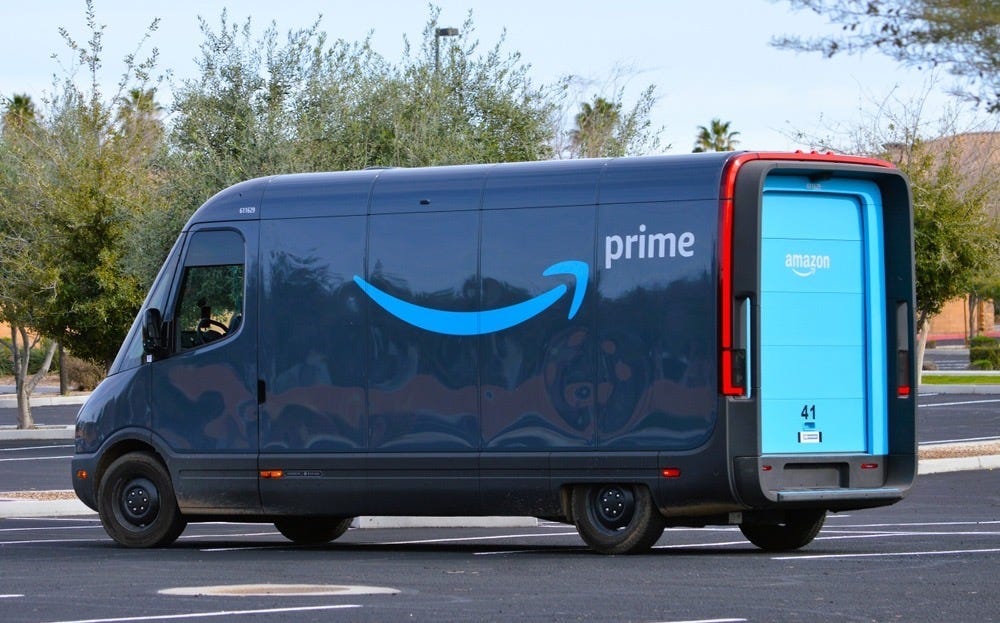
Amazon’s logo utilizes the most ubiquitous symbol in the logistics industry: the arrow. This is a category-natural choice for a company that has effectively transitioned from a digital storefront into a global fulfillment and delivery powerhouse.
Why it works… for them
The arrow doubles as a smile.
The arrow incorporates distinctive details (the disconnected stem, the cut in the “z”).
The arrow is anchored to the Category-Defiant name “Amazon.”
Amazon has invested heavily in its color system and uniquely shaped delivery trucks to supplement the arrow.
Why you shouldn’t attempt this
Again, a significant budget is required. Amazon’s arrow works because Amazon was early to market, has a distinctive name, and has saturated our lives.
Execution and saturation make category-natural assets stick—but it comes at a steep cost. Smaller brands have fewer opportunities to build recognition through sheer repetition. Category-Defiant assets can help accelerate memorability, providing an efficient option for limited budgets—though exposure and consistency still matter.
A one-person remodeling business with a founder’s name and a wrench logo can vanish even after dozens of exposures. That same business with a different name—Grizzly Remodeling—and a bear mascot, can stand out after a few glances and still stick a month later. CDD does the heavy lifting a small budget can’t, making it an effective, scalable option for limited resources.
The Three-Step Implementation Process
Creating Category-Defiant assets isn't about following a rigid formula—it's about applying a disciplined process that increases your odds of building something memorable and ownable.
The framework below distills the approach into three core phases: designing assets that break category conventions, testing them rigorously to confirm they actually work, and reinforcing them consistently until they become unmistakable. Each step builds on the last. Skip the design phase, and you'll have nothing distinctive to test. Skip the testing phase, and you risk investing heavily in an asset that confuses rather than clarifies. Skip the reinforcement phase, and even the most brilliant asset will fade into obscurity.
This isn't theoretical—it's the playbook used by brands like Apple, Aflac, and Geico to turn absurd ideas into iconic identities that last. What follows is how to put everything together.
Step 1: Design to Stand Out (Through Category-Defiant Distinctiveness)
Start with competitive mapping:
List every competitor in your category
Document their names, colors, logos, mascots, symbols, tones
Identify the patterns—what do they all have in common?
Reject those patterns
Choose your CDD approach:
Will you use a name-based asset (if possible)?
A character/identity asset (for long-term flexibility)?
A message vehicle (for a specific positioning and, ideally, paired with a more flexible additional asset)?
Or start with a CDD naming strategy if you don’t already have a name (object, animal, abstract, word combination)?
Apply the filters:
Ensure Category Identifiers are clear
Check for Aesthetic Fit (positive affect, loose brand fit, no category confusion)
For more direction on both, check out this article’s companion piece: Where Meaning-Free Distinctiveness Jumped the Shark
The goal: an asset idea that breaks category conventions while remaining unmistakably tied to your brand.
Step 2: Test to Confirm It Works (Through Rigorous Measurement)
Category-Defiant Distinctiveness is a guide, not a measurement outcome like EBI’s meaning-free distinctiveness. It’s an efficient, defensible starting point—but it’s not a guarantee. At the end of the day, a Category-Defiant name or asset can feel unique, but uniqueness isn’t a feeling—it’s a verifiable outcome.
The Ehrenberg-Bass Institute (EBI) measures assets that have lived in the market for two factors:
Fame: The percentage of category buyers who recognize the asset when shown it, regardless of whether they can name the brand.
Uniqueness: Calculated as the number of people who correctly identify the brand, divided by the number of times any brand is attributed to the asset.
Crucially, Uniqueness cannot exist without some Fame, and Fame cannot exist without market exposure. Category-Defiant Distinctiveness does not end with name and asset creation. Savvy marketers must test assets rigorously over the brand’s life. Never assume distinctiveness.
Track Fame (percentage of category buyers who recognize your asset)
Track Uniqueness (correct brand attribution divided by total mentions)
Monitor these over time as your asset gains market exposure
The goal: Validate that your asset is both distinctive and clear before significant investment or replacing any assets.
Step 3: Reinforce Until Unmistakable (Through Consistent Repetition)
Consistency is non-negotiable:
Use the same colors, logos, and assets across all touchpoints
Repeat the same visual and sonic cues in every campaign
Don’t “refresh” until the asset is firmly established and avoid design overhauls* unless absolutely necessary
*Asset replacement is generally warranted only under issues of high risk, such as legal issues (e.g., trademark infringement) or an irredeemable reputation that is severely outdated and beyond salvage. Alternatively, a change may be prudent if a small, generic brand has the financial resources—a large budget and strong leadership—to successfully establish a new asset and counteract the inevitable customer confusion that follows such a major pivot.
The goal: Make your asset unmistakable within your category context, even if you never achieve Apple-level out-of-context recognition.
Final Considerations
Distinctiveness Is Only One Factor
Distinctiveness is significant, but it’s only one factor in brand growth. Brands can grow with generic names and assets, but these approaches are usually far more costly—requiring early market entry, heavy upfront investment, aggressive competitor acquisitions, or shelf saturation.
For some brands, growth isn’t a priority. They may be content staying local with a few locations—whether for principled reasons, less stress, closer customer relationships, or other motivations.
Any brand can succeed to some extent with the right mix of strategy and luck—even with a generic name and assets.
The Road Less Traveled
CDD isn’t a magic formula. It’s a method to make names and assets as defensible, memorable, and efficient as possible. It won’t guarantee success—distribution, pricing, product quality, and timing all matter too. But it stacks the odds in your favor.
For those willing to step off the familiar path and reject the category-natural clichés that surround them, the road less traveled is exactly where the gold lies.
Design to stand out. Test to confirm it works. Reinforce until unmistakable.
That’s how you build a distinctive brand.